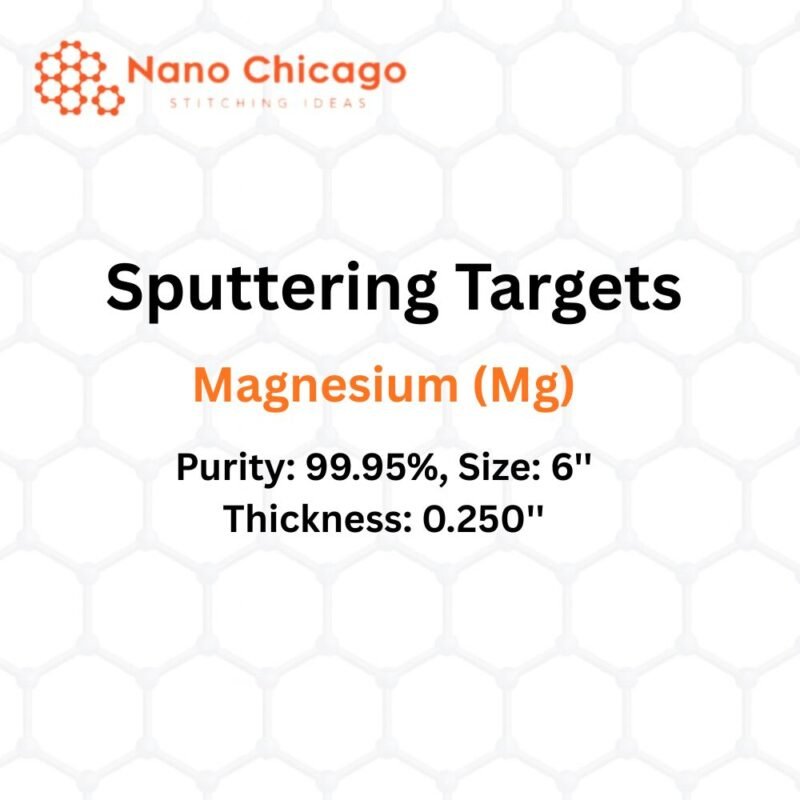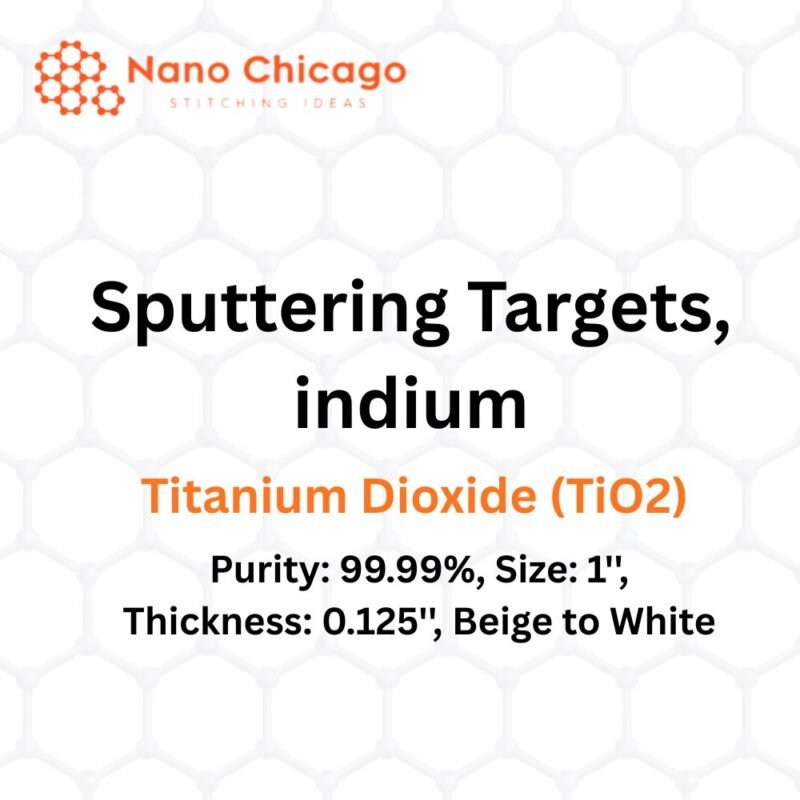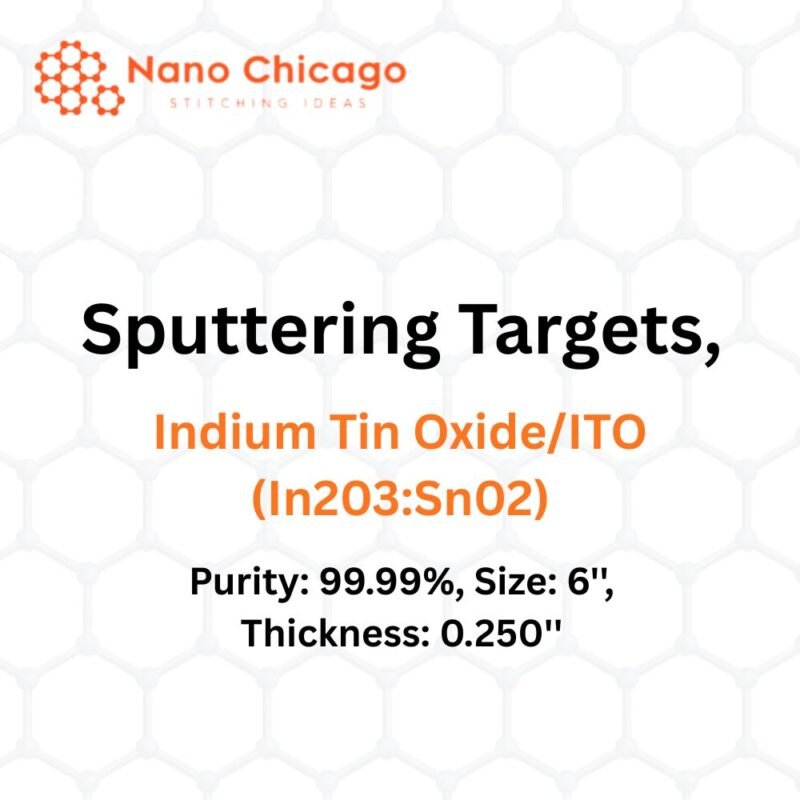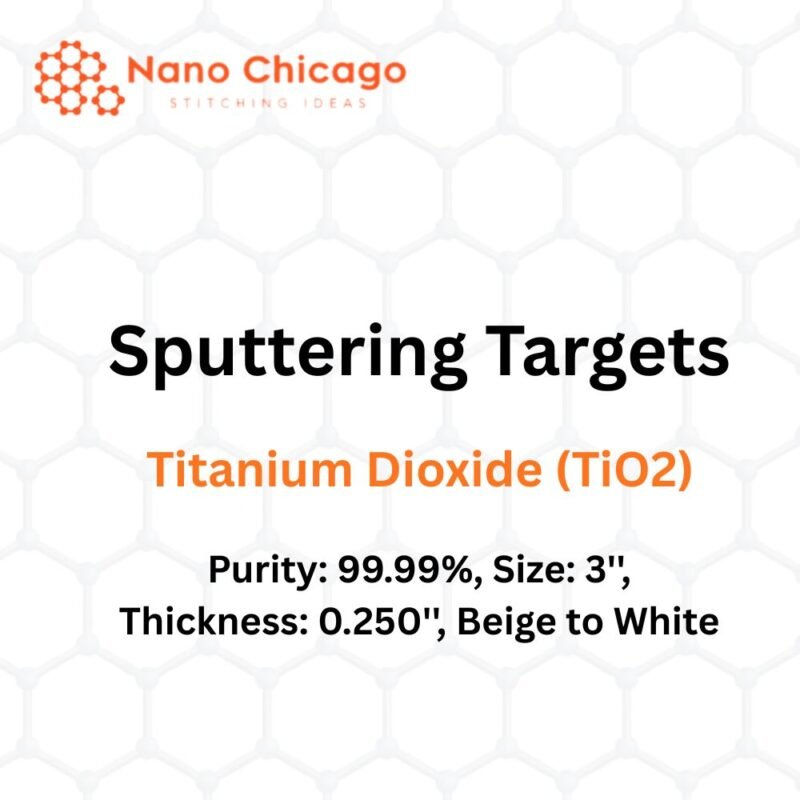
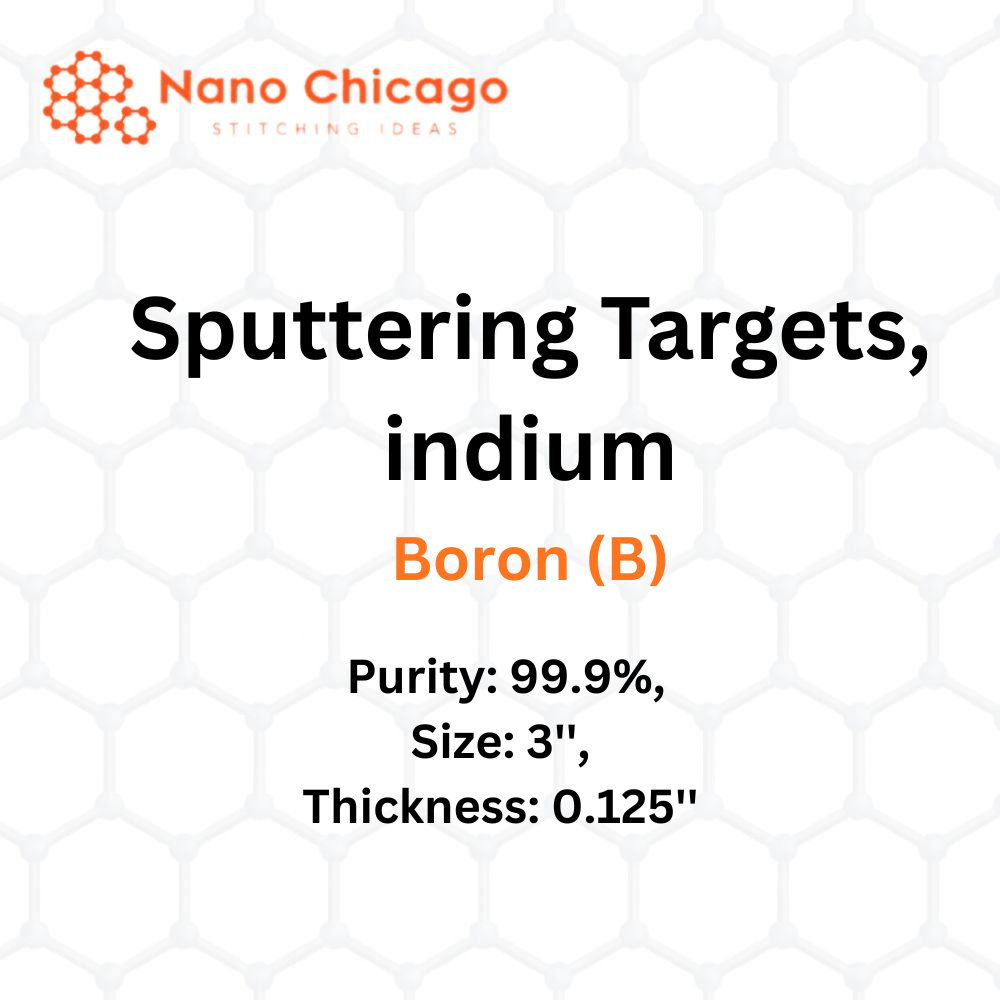
Boron (B) Sputtering Targets, Indium
Purity: 99.9% Size: 3” Thickness: 0.125”
Sputtering is a well-established method for depositing thin films from diverse materials onto substrates of various shapes and sizes. The process using sputter targets is repeatable and scalable, suitable for both small-scale R&D and larger production batches. Depending on process parameters, chemical reactions may occur on the target surface, in-flight, or on the substrate. While the process involves many variables, it gives experts precise control over film growth and microstructure.
Applications of Sputtering Targets
-
Thin Film Deposition: Erodes material from a “target” onto substrates such as silicon wafers.
-
Semiconductor Etching: Sputter etching is applied when high etching anisotropy is needed without concern for selectivity.
-
Analytical Methods: Used in secondary ion mass spectrometry (SIMS) to measure sputtered atoms, determine target composition, and detect trace impurities.
-
Space Applications: Sputtering naturally occurs in space weathering, altering the physical and chemical properties of airless bodies like asteroids and the Moon.
Boron Nitride Overview
Boron nitride (BN) is a heat- and chemically-resistant compound of boron and nitrogen. It exists in multiple crystalline forms:
-
Hexagonal BN (h-BN): Soft, low-friction, lubricating, electrically insulating, and thermally conductive. Used in high-temperature metal forming dies, metal processing, and as cosmetic additives.
-
Cubic BN (c-BN): Diamond-like structure, slightly softer than diamond but with superior thermal and chemical stability. Commonly used in high-temperature equipment and cutting tool coatings.
Properties and Coating Applications
Cubic boron nitride (c-BN) features:
-
High hardness
-
Low friction coefficient
-
Excellent thermal conductivity
-
High electrical resistivity
-
Superior wear resistance
-
Chemical inertness at high temperatures
It is the hardest material after diamond and surpasses diamond in chemical stability against oxygen and ferrous metals at elevated temperatures.
Polymorphs and Applications:
-
h-BN: Soft, lubricating, thermally conductive; widely used in high-temperature metal forming and solid lubricants.
-
c-BN: Hard, chemically inert, ideal for cutting tools; used in dry cutting, high-speed machining, and processing hard materials.
Sintered c-BN tools are effective but costly, brittle, and difficult to shape.